
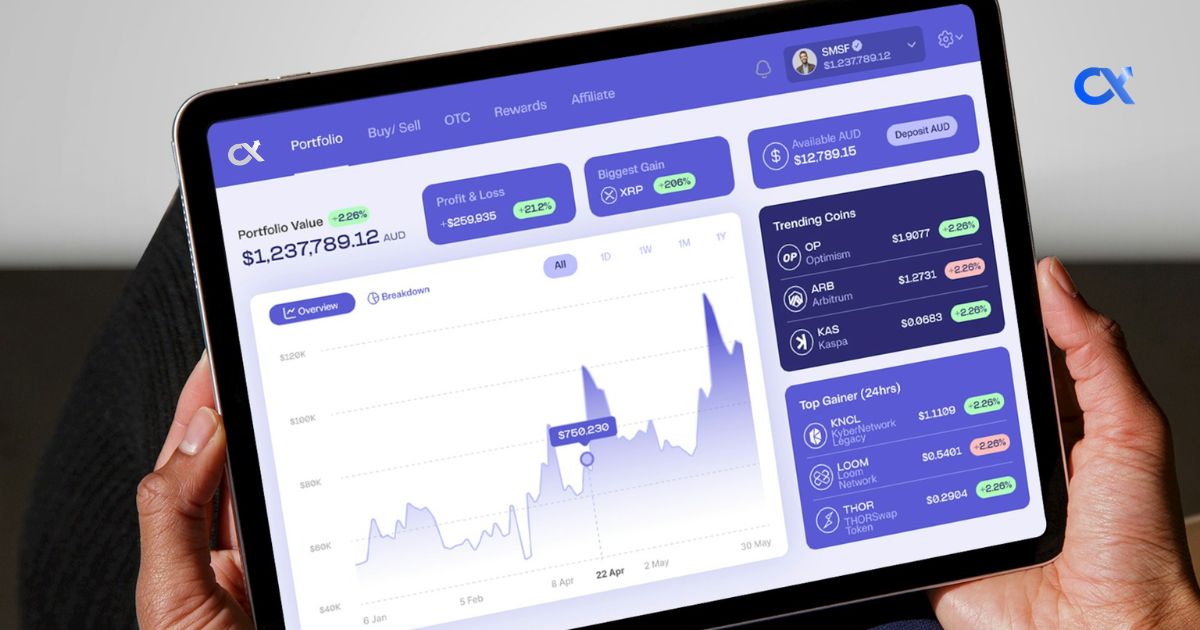
The rise of digital banking has created a major opportunity for entrepreneurs, fintech companies, financial institutions, and businesses looking to launch modern banking services. Unlike traditional banks, neobanks operate primarily through digital channels, offering customers convenient access to payments, accounts, cards, transfers, and other financial services through mobile and web applications.
If you're looking to start a Neobank, you need an app that goes beyond typical banking operations and features. A successful neobank requires the right business model, regulatory structure, banking or financial partners, secure technology infrastructure, payment integrations, compliance systems, and a clear customer acquisition strategy.
This guide explains how to start a neobank, including the business model, licensing considerations, essential features, technology stack, development approaches, costs, revenue streams, security requirements, and launch strategy.
What Is a Neobank?
A neobank is a digital-first financial service provider that delivers banking and financial services primarily through mobile and web applications rather than traditional physical branches.
Neobanks typically provide services such as:
- Digital bank accounts
- Money transfers
- Debit and virtual cards
- Domestic and international payments
- Currency exchange
- Bill payments
- Budgeting and financial management
- Savings products
- Business banking
- Investment services
- Cryptocurrency services
- Personal finance tools
The exact services a neobank can offer depend on its regulatory structure, licensing model, banking partners, and target market.
Unlike traditional banks, neobanks generally focus on digital customer experiences, automated processes, lower operating costs, and faster financial services.
Why Start a Neobank?
Digital banking has transformed how consumers and businesses interact with financial services. Customers increasingly expect instant payments, mobile account management, digital cards, automated financial insights, and convenient onboarding.
For entrepreneurs, this creates opportunities to build specialized financial products for specific customer segments.
Some potential neobank niches include:
- Personal banking
- Business banking
- SME banking
- Freelancer banking
- International banking
- Teen banking
- Migrant banking
- Travel banking
- Creator banking
- Crypto-friendly banking
- Embedded finance
- Wealth management
- Corporate expense management
Instead of competing directly with large banks, a new neobank can focus on a specific market segment and deliver specialized services.
How to Start a Neobank: Step-by-Step
Starting a neobank requires careful planning across business, regulatory, financial, and technical areas. The following steps provide a practical roadmap for launching a neobank.
1. Define Your Neobank Business Model
The first step is deciding what type of neobank you want to build.
Your business model determines your target customers, financial products, revenue streams, technology requirements, compliance obligations, and partnerships.
Say, a consumer bank deals with checking accounts, debit cards, transfers, and budgeting tools, whilst a business neobank may focus on corporate accounts, expense management, invoicing, employee cards, and other related features.
Before development begins, define:
- Target market
- Customer demographics
- Geographic market
- Banking products
- Pricing strategy
- Revenue model
- Competitive positioning
- Regulatory requirements
- Partnership requirements
A clearly defined business model reduces unnecessary development costs and helps determine the technology infrastructure you need.
2. Identify Your Target Market
Every successful neobank should aim to solve a specific customer problem. You don't necessarily have to solve every pain point; rather, identify a customer segment with a strong financial need.
Consumer Neobank
Built for Individuals who need everyday-convenient digital banking, payments, cards, savings, and money management.
Business Neobank
Designed for startups, SMEs, freelancers, and businesses that need digital business accounts, corporate cards, payments, and expense management.
International Neobank
Designed for customers who frequently send, receive, or spend money internationally.
Crypto-Friendly Neobank
Combines traditional financial services with cryptocurrency-related capabilities where legally permitted and compliant.
Embedded Banking Platform
Provides banking capabilities to other companies through APIs and financial infrastructure.
Your target audience should influence every aspect of your neobank, from product design to compliance and customer acquisition.
3. Choose Your Neobank Licensing and Regulatory Model
Regulation is a non-negotiable factor in starting a neobank.
A neobank can start operating only after all required legal and regulatory requirements have been appropriately fulfilled. It can then begin accepting deposits or providing regulated financial services.
Your options may include:
- Obtaining a banking license
- Obtaining an electronic money or payment institution license
- Partnering with a licensed bank
- Working with a Banking-as-a-Service provider
- Operating through licensed financial institutions
- Using regulated payment and card partners
The appropriate structure depends purely on the country, products, customer base, and services you intend to offer.
Why Regulatory Planning Matters
Your regulatory structure can affect:
- Customer onboarding
- KYC requirements
- AML procedures
- Transaction monitoring
- Payment processing
- Customer funds
- Card issuance
- Data protection
- Reporting requirements
- Geographic availability
It is important to work with qualified legal and compliance professionals familiar with financial regulations in your target market.
4. Decide Between Building From Scratch and Using White Label Neobank Software
One of the biggest decisions when starting a neobank is choosing your development approach.
You generally have three options.
Build a Neobank From Scratch
A custom-built neobank provides maximum control over the product, architecture, features, integrations, and user experience.
However, it usually requires:
- More development time
- Larger development teams
- Higher upfront investment
- Extensive security testing
- More infrastructure management
- Complex third-party integrations
This approach is suitable for businesses with highly specialized requirements and sufficient resources for long-term development.
Use White Label Neobank Software
A white label neobank platform provides pre-built banking infrastructure that can be customized and launched under your own brand.
Depending on the provider, it may include:
- Customer onboarding
- Digital accounts
- KYC workflows
- Admin dashboard
- Payment infrastructure
- Card management
- Transaction management
- Multi-currency support
- User management
- Reporting
- Compliance integrations
- API connectivity
An advantage of opting for a white-label neobank is that it can significantly reduce development time and initial technology investment.
5. Build the Core Neobank Technology Infrastructure
Once the business and regulatory strategy is defined, the next step is designing the technology architecture.
A modern neobank typically consists of multiple interconnected systems.
Core Banking Layer
Handles financial accounts, balances, transactions, account management, and related banking operations.
Payment Infrastructure
Supports:
- Bank transfers
- Card payments
- Payment processing
- Domestic payments
- International payments
- Merchant transactions
Card Management
Supports physical and virtual card issuance, activation, limits, transactions, freezing, and replacement.
Identity and KYC
Handles customer identity verification and onboarding.
Compliance Infrastructure
Supports AML screening, transaction monitoring, risk scoring, sanctions screening, and compliance workflows.
Mobile and Web Applications
Provides the primary customer experience.
Admin Dashboard
Allows authorized administrators to manage users, transactions, cards, accounts, compliance activities, and reports.
API Layer
Connects your neobank with banks, payment processors, card networks, KYC providers, financial data providers, and other third-party services.
6. Develop the Neobank Mobile App
The mobile application is often the primary interface between customers and the neobank.
A well-designed app should make financial activities simple, fast, and secure.
Essential screens can include:
- Registration
- Login
- Identity verification
- Home dashboard
- Account details
- Transaction history
- Send money
- Receive money
- Card management
- Currency exchange
- Notifications
- Profile
- Security settings
- Support
The user experience should minimize unnecessary steps without compromising strong authentication or compliance requirements.
7. Add Essential Neobank Features
The feature set should never be one-size-fits-all. It should be carefully analyzed based on the target customers and regulatory requirements, with the essential features tailored to meet their specific needs.
However, most modern neobanks require a core set of features.
Digital Account Management
Customers should be able to create and manage digital accounts directly from the application.
Features may include:
- Account creation
- Account details
- Balance management
- Transaction history
- Statements
- Beneficiary management
Digital and Physical Cards
Card functionality is a major component of many neobanks.
Users may need to:
- Request cards
- Activate cards
- Freeze or unfreeze cards
- Set spending limits
- View card transactions
- Create virtual cards
- Replace cards
Money Transfers
Enable customers to send and receive money through supported payment rails.
Depending on the market, this can include:
- Bank transfers
- Peer-to-peer transfers
- International transfers
- Scheduled payments
- Recurring payments
Multi-Currency Accounts
Multi-currency functionality can be valuable for international customers, travelers, businesses, and remote workers.
Users can potentially hold, convert, send, and receive multiple supported currencies.
Budgeting and Financial Management
Personal finance tools can help customers understand and manage their spending.
Possible features include:
- Spending categorization
- Budget creation
- Expense tracking
- Financial insights
- Savings goals
- Spending alerts
Notifications
Real-time notifications can alert users about:
- Transactions
- Card payments
- Transfers
- Account activity
- Security events
- Verification updates
Customer Support
Offer support through channels such as:
- In-app chat
- AI chatbot
- Help center
- Support tickets
8. Integrate KYC and AML Systems
Know Your Customer and Anti-Money Laundering processes are essential for regulated financial services.
A neobank may need to verify customers during onboarding and continuously monitor financial activity depending on its regulatory obligations.
KYC infrastructure can support:
- Identity verification
- Document verification
- Facial verification
- Address verification
- Sanctions screening
- Risk assessment
AML systems can support:
- Transaction monitoring
- Suspicious activity detection
- Risk scoring
- Sanctions screening
- Fraud detection
- Compliance reporting
Automating these processes can help reduce manual workloads and improve operational efficiency.
9. Integrate Banking, Payment, and Card Partners
A neobank typically relies on multiple third-party providers.
Potential integrations include:
- Banking partners
- Banking-as-a-Service providers
- Payment processors
- Card issuers
- Card networks
- KYC providers
- AML providers
- Fraud detection systems
- Currency exchange providers
- Open banking APIs
- Notification services
The exact integrations depend on your business model and target market.
When selecting providers, evaluate:
- API reliability
- Geographic coverage
- Supported currencies
- Transaction limits
- Pricing
- Compliance requirements
- Settlement times
- Technical documentation
- Scalability
- Customer support
10. Implement Strong Neobank Security
Financial applications are attractive targets for fraud and cyberattacks, making security a fundamental part of neobank development.
Your platform should incorporate multiple layers of security.
Important measures include:
- Multi-factor authentication
- Biometric authentication
- Encryption
- Secure API authentication
- Role-based access control
- Device monitoring
- Transaction monitoring
- Fraud detection
- Rate limiting
- Secure session management
- Audit logs
- Data protection
- Continuous security testing
Security should be designed into the architecture rather than added after development.
11. Build an Admin Dashboard
The customer-facing app is only one part of a neobank.
Administrators need a secure back-office platform to manage the ecosystem.
A neobank admin dashboard can include:
Customer Management
- View customer profiles
- Manage account status
- Review verification information
- Handle account restrictions
Transaction Management
- Monitor transactions
- Search transaction records
- Review failed transactions
- Investigate suspicious activity
Card Management
- Manage issued cards
- Monitor card activity
- Configure limits
- Handle blocked cards
Compliance Management
- Review KYC status
- Manage alerts
- Monitor AML activities
- Review risk profiles
Analytics
- Customer growth
- Transaction volume
- Revenue
- Active users
- Customer retention
- Product usage
A centralized admin platform makes day-to-day operations easier to manage.
12. Test the Neobank Platform
Unlike many other types of software and applications, financial software leaves little room for error and requires extensive testing before launch. Every feature, transaction flow, and calculation must be thoroughly tested to ensure the software delivers accurate financial outcomes while maintaining stability, compliance, and user trust.
Testing should cover both technical functionality and financial workflows.
Important testing areas include:
Functional Testing
Verify that every feature works according to requirements.
API Testing
Test integrations between your platform and external providers.
Security Testing
Identify vulnerabilities across applications, APIs, infrastructure, and authentication systems.
Performance Testing
Test how the platform behaves under high transaction and user loads.
Payment Testing
Validate successful, failed, pending, reversed, and disputed transactions.
Compliance Testing
Verify that onboarding, monitoring, and reporting workflows operate according to the applicable requirements.
User Acceptance Testing
Allow real users or controlled testers to validate the customer experience before launch.
13. Launch Your Neobank
After completing development, compliance preparation, integrations, and testing, you can begin your launch.
A phased launch can be safer than immediately opening the platform to a large audience.
Phase 1: Internal Testing
Test the platform internally with controlled accounts.
Phase 2: Beta Launch
Invite a limited number of customers and closely monitor performance.
Phase 3: Public Launch
Open registration to your target market.
Phase 4: Expansion
Add additional products, markets, currencies, payment methods, and partnerships based on customer demand.
This approach helps identify operational and technical issues before they affect a larger customer base.
How Much Does It Cost to Start a Neobank?
The cost to start a neobank typically ranges from $50,000 to $500,000+, depending on the development approach, features, integrations, compliance requirements, and target market.
| Neobank Development Approach | Estimated Cost |
| Basic Neobank MVP | $50,000 – $100,000 |
| White Label Neobank | $60,000 – $150,000 |
| Hybrid Neobank Platform | $100,000 – $250,000 |
| Fully Custom Neobank | $200,000 – $500,000+ |
These estimates generally cover software design and development, core features, integrations, security, testing, and deployment. Licensing, banking partnerships, regulatory approvals, compliance operations, payment processing fees, and customer acquisition may require additional budget depending on the country and business model.
The major cost components include:
- UI/UX and mobile app development: $15,000 – $50,000
- Backend and banking infrastructure: $30,000 – $120,000
- KYC/AML integrations: $5,000 – $25,000+
- Payment and card integrations: $10,000 – $50,000+
- Security and testing: $10,000 – $40,000
- Admin dashboard and analytics: $10,000 – $30,000
- Cloud infrastructure and deployment: $5,000 – $20,000+
Note: Regulatory licensing and banking setup can add substantially to the overall startup budget and should be estimated separately for the target jurisdiction.
How Long Does It Take to Start a Neobank?
A neobank typically takes 3 to 12 months to develop and prepare for launch, depending on the technology approach and project scope.
| Development Approach | Estimated Timeline |
| Basic Neobank MVP | 3 – 5 months |
| White Label Neobank | 2 – 4 months |
| Hybrid Neobank | 4 – 7 months |
| Fully Custom Neobank | 6 – 12+ months |
A typical development timeline includes:
Business Planning: 1–3 weeks
UI/UX Design: 2–4 weeks
Core Development: 6–16 weeks
Banking & Payment Integrations: 3–8 weeks
KYC/AML Integration: 1–4 weeks
Security & Testing: 2–5 weeks
Deployment & Beta Launch: 1–3 weeks
A white-label neobank can reduce the entire technology timeline to approximately 2–4 months, depending on customization and third-party integrations, making it an obvious choice for businesses looking to launch faster.
Nevertheless, other factors like banking partnerships, licensing, regulatory approvals, compliance setup, and payment provider onboarding are separate processes and vary by jurisdiction and can eventually elongate the timeline.
Why Choose Coinexra for White Label Neobank Software?
Launching a neobank requires a combination of financial infrastructure, technology, security, compliance integrations, and an intuitive customer experience.
Coinexra excels at it by providing exemplary white label neobank software designed to help businesses launch branded digital banking platforms without having to develop every component from scratch.
Our solution can be customized to support your business model, branding, target market, and required financial services.
With Coinexra, businesses can build a branded neobank experience with capabilities such as:
- Digital account management
- Payment and transfer functionality
- Card management
- Multi-currency support
- KYC and AML integration
- Transaction management
- User management
- Admin dashboard
- Reporting and analytics
- API integrations
- Security-focused infrastructure
Whether you are a fintech startup, financial institution, entrepreneur, or established business exploring digital banking, Coinexra can help you move from concept to a scalable neobank platform.
Ready to launch your own digital banking platform? Contact Coinexra to explore our White Label Neobank solution and build a neobank tailored to your business requirements.