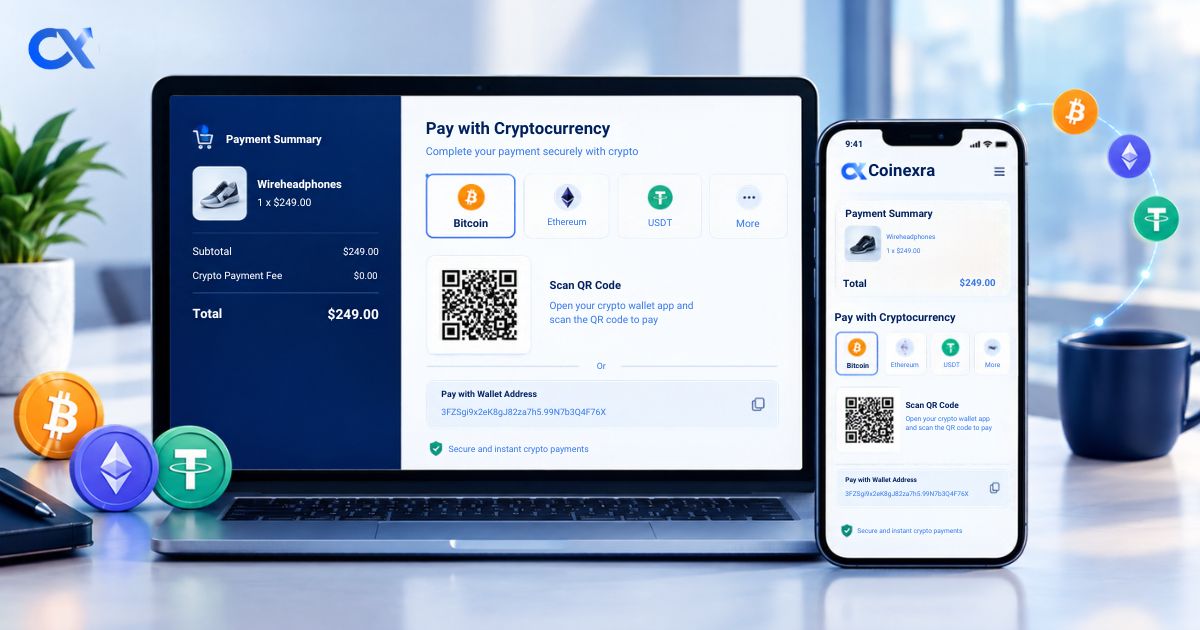

The cryptocurrency market has exploded over the past decade, and with it comes an incredible opportunity for developers. Building your own cryptocurrency exchange platform might seem like a daunting task, but with the right approach and understanding, it's absolutely achievable.
This comprehensive guide will walk you through every step of creating a crypto exchange from the ground up.
Understanding What a Cryptocurrency Exchange Really Is
Before we dive into the technical aspects, let's get clear on what we're building. A cryptocurrency exchange is essentially a digital marketplace where people can buy, sell, and trade cryptocurrencies. Think of it as a stock exchange, but instead of trading company shares, users exchange digital currencies like Bitcoin, Ethereum, or any other crypto asset.
Types of Cryptocurrency Exchanges
Centralized Exchanges (CEX)
- Act as intermediaries between buyers and sellers
- Hold and manage user funds
- Offer faster transactions and better liquidity
Examples: Coinbase, Binance, Kraken
Decentralized Exchanges (DEX)
- Operate without a central authority
- Users retain control of their funds
- Transactions happen peer-to-peer through smart contracts
Examples: Uniswap, PancakeSwap, SushiSwap
Hybrid Exchanges
- Combine centralized and decentralized features
- Balance security with user-friendliness
- Offer flexibility in trading options
Planning Your Exchange: The Foundation of Success
Starting with a solid plan saves you countless headaches down the road. Here's what you need to nail down first:
Define Your Target Market
Crypto Veterans: Need advanced charting tools, margin trading, and API access
Beginners: Require simple interfaces, educational resources, and guided experiences
Regional Focus: Consider specific geographical markets with their unique needs
Niche Markets: DeFi tokens, NFTs, or specific blockchain ecosystems
Choose Your Supported Cryptocurrencies
Start smart, scale gradually:
Major Coins (Phase 1): Bitcoin (BTC), Ethereum (ETH), Tether (USDT)
Popular Altcoins (Phase 2): Cardano (ADA), Solana (SOL), Ripple (XRP)
Emerging Tokens (Phase 3): Based on user demand and market trends
Revenue Model Options
Trading Fees: 0.1% - 0.5% per transaction (most common)
Withdrawal Fees: Flat rate or percentage-based
Deposit Fees: Usually free to attract users, but some charge for credit cards
Listing Fees: Charge new cryptocurrencies to be listed on your platform
Premium Features: Advanced analytics, priority support, higher withdrawal limits
Margin Trading: Interest on borrowed funds
Navigating the Legal Landscape
Important: Legal compliance isn't optional. It is absolutely critical to your exchange’s survival.
Required Licenses and Registrations
United States
- Register as a Money Services Business (MSB) with FinCEN
- Obtain state-level Money Transmitter Licenses (varies by state)
- Comply with SEC regulations for securities
- Follow IRS reporting requirements
European Union
- Comply with the 5th Anti-Money Laundering Directive (5AMLD)
- Register with the national financial authorities
- Implement MiFID II requirements where applicable
- Prepare for Markets in Crypto-Assets (MiCA) regulation
Asia-Pacific
- Japan: Register with the Financial Services Agency (FSA)
- Singapore: Apply for a license under the Payment Services Act
- Australia: Obtain an Australian Financial Services License (AFSL)
KYC and AML Implementation
Basic KYC Requirements
- Government-issued photo ID (passport, driver's license)
- Proof of address (utility bill, bank statement)
- Selfie verification or video call
- Source of funds documentation for large deposits
AML Procedures
- Transaction monitoring systems
- Suspicious activity reporting
- Risk-based customer segmentation
- Regular compliance audits
- Staff training programs
Pro Tip: Hire a legal team specializing in cryptocurrency regulations. The upfront cost prevents million-dollar legal problems later.
The Technical Architecture: Building Your Exchange's Brain
Now we get to the exciting part. Your exchange needs several interconnected systems working together seamlessly.
Core Components You'll Need
1. Trading Engine
- Matches buy and sell orders in real-time
- Handles thousands of transactions per second
- Best built with: C++, Go, or Rust for maximum performance
Key features:
- Order matching algorithms (FIFO, Pro-Rata, etc.)
- Price-time priority execution
- Market and limit order support
- Stop-loss and take-profit orders
2. Database Architecture
Relational Database (PostgreSQL/MySQL)
- User accounts and profiles
- Transaction history
- KYC documentation
- Order history
In-Memory Database (Redis)
- Real-time order books
- Active trading sessions
- Market data caching
- Rate-limiting data
Blockchain Nodes
- Full nodes for major cryptocurrencies
- Light clients for smaller assets
- Third-party node providers as backup
3. Wallet System
| Wallet Type | Purpose | Security Level | Fund Percentage |
| Cold Wallets | Long-term storage | Highest | 90-95% |
| Warm Wallets | Medium-term reserves | High | 3-8% |
| Hot Wallets | Daily operations | Medium | 2-5% |
Cold Wallet Setup
- Hardware security modules (HSMs)
- Multi-signature requirements (3-of-5 or 5-of-7)
- Geographically distributed storage
- Regular security audits
Hot Wallet Management
- Automatic cold storage transfers
- Real-time monitoring
- Withdrawal velocity limits
- IP whitelisting for admin access
Security Measures (Non-Negotiable)
✅ Two-Factor Authentication (2FA) - Mandatory for all users
✅ Multi-Signature Wallets - Require 3+ approvals for large transactions
✅ DDoS Protection - Cloudflare or AWS Shield
✅ Web Application Firewall - Filter malicious traffic
✅ SSL/TLS Encryption - Secure all data transmission
✅ Regular Penetration Testing - Quarterly at minimum
✅ Bug Bounty Program - Incentivize ethical hackers
✅ Insurance Coverage - Protect against theft and hacks
Frontend Development: Creating an Intuitive User Experience
Your exchange could have the best backend in the world, but if users can't figure out how to use it, you've failed.
Essential Pages and Features
Homepage
- Current market prices (live ticker)
- Trading volume statistics
- Featured trading pairs
- Trust indicators (licenses, security certifications)
- Quick signup/login
User Dashboard
- Portfolio overview with real-time values
- Asset allocation pie chart
- Recent transaction history
- Quick buy/sell buttons
- Price alerts and notifications
Trading Interface
- Real-time candlestick charts (TradingView integration)
- Order book depth visualization
- Trade history feed
- Order entry panel (buy/sell)
- Available balance display
- Order management section
Account Management
- Profile settings
- Security settings (2FA, password change)
- KYC verification status
- API key management
- Referral program tracking
Technology Stack Options
Frontend Frameworks
React.js: Most popular, huge community, excellent for complex UIs
Vue.js: Easier learning curve, great performance
Angular: Enterprise-grade, comprehensive framework
UI Component Libraries
- Material-UI (React)
- Ant Design (React)
- Vuetify (Vue.js)
- Custom design system
Real-Time Data
- WebSockets for live price updates
- Socket.io for broader compatibility
- Server-Sent Events (SSE) as fallback
Mobile Strategy
Responsive Web Design
- Mobile-first approach
- Touch-friendly interface elements
- Simplified navigation for small screens
Native Mobile Apps
- iOS: Swift or React Native
- Android: Kotlin or React Native
- Push notifications for price alerts
- Biometric authentication
- QR code scanning for deposits/withdrawals
Payment Integration: The Money Bridge
Users need ways to get fiat currency onto your platform and back out again. This is often the trickiest part.
Fiat Payment Options
Bank Transfers (ACH, SEPA, Wire)
Pros: Low fees, high limits, widely trusted
Cons: 1-5 days processing time
Best for: Large deposits and withdrawals
Credit/Debit Cards
Pros: Instant deposits, convenient
Cons: 3-5% fees, chargeback risk
Providers: Stripe, Checkout.com, Simplex
Best for: Quick purchases, onboarding new users
E-Wallets
- PayPal, Skrill, Neteller
- Popular in regions with limited banking access
- Instant transfers with moderate fees
Payment Processors to Consider
- Stripe Connect (if they accept crypto businesses)
- Checkout.com (crypto-friendly)
- Circle (USDC integration)
- Wyre or MoonPay (crypto on/off ramps)
- Banking as a Service (BaaS) providers
- Cryptocurrency Integration
- Blockchain Node Requirements
For each supported cryptocurrency:
- Run full nodes for maximum security and control
- Backup with third-party node providers (Infura, Alchemy, QuickNode)
- Monitor node health 24/7
- Keep nodes synchronized and updated
Deposit Process
- Generate a unique deposit address for each user
- Monitor blockchain for incoming transactions
- Wait for required confirmations (varies by blockchain)
- Credit user account
- Send email notification
Withdrawal Process
- Verify withdrawal request authenticity
- Check user balance and withdrawal limits
- Apply security checks (2FA, IP verification, velocity limits)
- Create signed transactions
- Broadcast to the blockchain network
- Monitor transaction status
- Update the user balance after confirmation
Testing: Where Good Exchanges Become Great
Never, ever skip rigorous testing. Here's your comprehensive testing roadmap:
Types of Testing Required
Unit Testing
- Test individual functions and components
- Aim for 80%+ code coverage
- Focus heavily on financial calculations
- Use Jest, Mocha, or PyTest
Integration Testing
- Verify component interactions
- Test API endpoints thoroughly
- Validate database operations
- Check payment gateway integrations
Security Testing
- SQL injection attempts
- Cross-site scripting (XSS) tests
- Authentication bypass attempts
- API rate limiting verification
- Wallet security audits
Load Testing
Simulate realistic scenarios:
- 1,000 concurrent users (baseline)
- 10,000 concurrent users (growth target)
- 100,000 concurrent users (viral spike)
- Sudden market volatility (10x normal trading volume)
Tools to Use
- Apache JMeter
- LoadRunner
- Gatling
- k6
Testing Environment Setup
Development Environment
- Local machines
- Quick iterations
- No real money involved
Staging Environment
- Exact replica of production
- Test with real blockchain testnets
- Use the test fiat payment sandbox
- Invite beta users
Production Environment
- Live platform with real users
- Continuous monitoring
- Gradual rollout of new features
- Rollback capabilities
Launch Strategy: Going Live the Right Way
Don't just flip the switch and hope for the best. Follow this strategic approach:
Pre-Launch Checklist
Technical Requirements
- All security audits completed and passed
- Load testing shows the platform handles 10x the expected traffic
- Payment integrations tested with real transactions
- Backup systems are tested and functional
- Monitoring and alerting systems are operational
- Customer support team trained and ready
Legal Requirements
- All necessary licenses obtained
- Terms of service and privacy policy finalized
- KYC/AML procedures implemented and tested
- Compliance officer appointed
- Legal entity properly structured
Business Requirements
- Initial liquidity secured
- Marketing materials prepared
- PR strategy developed
- Partnership announcements ready
- Community channels established (Telegram, Discord, Twitter)
Launch Phases
Phase 1: Private Beta (2-4 weeks)
- Invite 100-500 selected users
- Offer incentives (reduced fees, bonus rewards)
- Gather feedback and fix issues
- Monitor all metrics closely
Phase 2: Public Beta (1-2 months)
- Open registration with waitlist
- Gradually increase user capacity
- Maintain close communication with users
- Continue refining based on feedback
Phase 3: Official Launch
- Remove beta label
- Full marketing campaign
- Media outreach and press releases
- Paid advertising, if the budget allows
- Referral program activation
Building Initial Liquidity
The Chicken-and-Egg Problem: No traders without liquidity, no liquidity without traders.
Solutions
- Partner with market makers who provide liquidity
- Offer zero-fee trading for the first month
- Wash trading is illegal. don't do it.
- Provide liquidity yourself initially (carefully managed)
- Create trading competitions with prizes
- Offer token airdrops for early adopters
Security: Protecting Your Exchange and Its Users
Security deserves its own dedicated focus because one breach can destroy everything you've built.
Multi-Layer Security Approach
Layer 1: Network Security
- DDoS mitigation (200+ Gbps protection minimum)
- Geographic traffic filtering
- Rate limiting on all endpoints
- IP whitelisting for admin functions
Layer 2: Application Security
- Input validation on all forms
- Parameterized SQL queries
- Content Security Policy headers
- Regular dependency updates
- Security headers (HSTS, X-Frame-Options, etc.)
Layer 3: Data Security
- AES-256 encryption for sensitive data
- Separate encryption keys per user
- Key rotation policies
- Secure key management system
Layer 4: Operational Security
- Multi-factor authentication for all staff
- Principle of least privilege
- Separate development and production credentials
- Regular security training
- Background checks for employees
- Non-disclosure agreements
Incident Response Plan
Detection
- 24/7 security monitoring
- Automated anomaly detection
- User-reported issues
- Bug bounty submissions
Containment
- Immediate threat isolation
- The affected system shuts down if necessary
- Preserve evidence for investigation
Communication
- Notify affected users within 24 hours
- Transparent communication about the breach
- Regular updates on resolution progress
- Coordinate with law enforcement if needed
Recovery
- Fix identified vulnerabilities
- Restore from clean backups
- Verify system integrity
- Gradually restore services
Post-Incident
- Comprehensive investigation report
- Update security procedures
- Compensate affected users if appropriate
- Public transparency report
Scaling and Growth: Building for the Future
As your exchange grows, your infrastructure needs to grow with it. Plan ahead to avoid painful migrations.
Infrastructure Scaling Strategies
Horizontal Scaling
- Add more servers rather than bigger servers
- Use load balancers (Nginx, HAProxy, AWS ELB)
- Implement sticky sessions for user consistency
- Auto-scaling based on traffic patterns
Database Scaling
Read Replicas:
- Direct read queries to replica databases
- Keep master for write operations only
- Reduces load on primary database
Sharding:
- Split data across multiple databases
- Shard by user ID or trading pair
- Increases complexity, but necessary at scale
Caching Strategies:
- Cache frequently accessed data (prices, order books)
- Use CDN for static assets
- Implement application-level caching
Microservices Architecture
Instead of one monolithic application:
- User Service: Authentication, profiles, KYC
- Trading Service: Order matching, execution
- Wallet Service: Deposits, withdrawals, balances
- Notification Service: Emails, SMS, push notifications
- Analytics Service: Charts, statistics, reporting
Benefits:
- Scale individual services independently
- Deploy updates without full system downtime
- Easier to maintain and debug
- Different teams can own different services
Performance Optimization
Frontend Optimization
- Code splitting and lazy loading
- Image optimization and WebP format
- Browser caching strategies
- Minify CSS and JavaScript
- Use a CDN for global reach
Backend Optimization
- Database query optimization
- Connection pooling
- Asynchronous processing for non-critical tasks
- Message queues (RabbitMQ, Kafka) for background jobs
- API response caching
Monitoring and Analytics
What to Monitor
- Server CPU, memory, and disk usage
- API response times
- Error rates and types
- Trading volume and user activity
- Wallet balance discrepancies
- Blockchain node sync status
- Third-party service uptime
Tools You'll Need
- Application monitoring: New Relic, Datadog, or Prometheus
- Log aggregation: ELK Stack, Splunk, or CloudWatch
- Uptime monitoring: Pingdom or StatusCake
- User analytics: Google Analytics, Mixpanel, or Amplitude
Common Pitfalls to Avoid
Learn from others' mistakes instead of making them yourself.
Technical Mistakes
❌ Underestimating Security
- Don't store private keys in databases
- Never use HTTP for any communication
- Don't skip security audits to save money
❌ Poor Database Design
- Not normalizing data properly
- Missing indexes on frequently queried columns
- Not planning for data growth
❌ Inadequate Testing
- Skipping load testing
- Not testing edge cases
- Insufficient staging environment
❌ Ignoring Scalability
- Building monolithic architecture
- Not implementing caching early
- Hardcoding configuration values
Business Mistakes
❌ Launching Too Early
- Incomplete KYC implementation
- Missing critical features
- Inadequate customer support
❌ Inadequate Liquidity
- No market makers lined up
- Launching with too many trading pairs
- Unrealistic volume expectations
❌ Poor Marketing
- No community building before launch
- Generic positioning (just another exchange)
- Ignoring competitor analysis
❌ Regulatory Non-Compliance
- Operating without proper licenses
- Ignoring tax reporting requirements
- Weak KYC/AML procedures
The Ongoing Journey
Building a cryptocurrency exchange isn't a one-and-done project. Markets evolve, regulations change, and user expectations grow continuously.
Continuous Improvement Priorities
Quarter 1-2 (Stabilization)
- Fix bugs reported by users
- Optimize performance based on usage patterns
- Strengthen security based on real-world threats
- Gather and analyze user feedback
Quarter 3-4 (Enhancement)
- Add requested trading pairs
- Implement advanced order types
- Launch mobile apps if not already available
- Introduce margin trading (if licensed)
Year 2+ (Innovation)
- Staking services
- DeFi integrations
- NFT marketplace
- Derivatives trading
- Fiat on-ramps in new countries
Staying Competitive
Monitor Your Competitors
- What features are they launching?
- What do users praise or complain about?
- What are their fee structures?
- How do they market themselves?
Listen to Your Community
- Active presence on social media
- Regular AMA (Ask Me Anything) sessions
- Beta testing programs for power users
- User advisory board
Stay Informed
- Follow regulatory developments
- Attend blockchain conferences
- Join industry associations
- Network with other exchange operators
Final Thoughts: Is This Journey Worth It?
Building a cryptocurrency exchange is one of the most challenging tech projects you can undertake. It combines complex financial systems, advanced blockchain technology, strict regulatory requirements, and high-level security, while also delivering a smooth and user-friendly experience.
The Opportunity
- Cryptocurrency adoption is still in its early stages
- Regional and niche markets remain underserved
- Innovation opportunities in DeFi and NFTs
- Potential for substantial revenue once established
- You're building infrastructure for the future of finance
Success Factors
- Adequate funding and a realistic timeline
- Strong technical team with security expertise
- Legal compliance from day one
- Clear differentiation from competitors
- Excellent user experience
- Robust security measures
- Patient, long-term perspective
If you're willing to invest the time, money, and relentless effort required, building a cryptocurrency exchange can be incredibly rewarding. The cryptocurrency revolution is still in its early chapters, and there's room for well-built, trustworthy exchanges that truly serve their users.
Start with a clear vision, build methodically, prioritize security and compliance above everything else, and always keep your users' needs at the center of every decision you make.
The market needs more exchanges built by people who care about doing things right. Could that be you?
If you are planning to launch or scale a cryptocurrency exchange, working with the right technology partner can make a significant difference. Coinexra, a white-label crypto exchange software provider, helps businesses build secure, scalable, and feature-rich cryptocurrency exchange platforms tailored to modern market demands.