
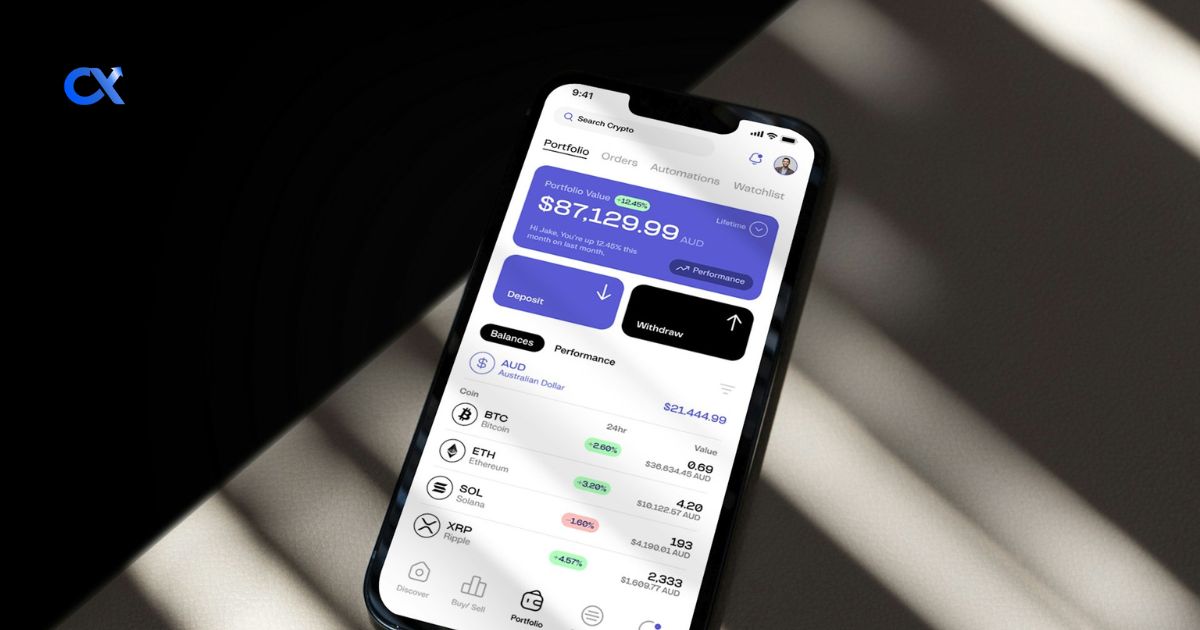
The cryptocurrency industry is moving beyond simple asset storage. In 2026, businesses need crypto wallets that can support secure transactions, multiple blockchain networks, digital asset management, compliance, payments, and seamless user experiences.
Whether you are launching a crypto exchange, fintech platform, Web3 application, payment business, investment platform, or digital asset service, the wallet is one of the most important components of your infrastructure. A basic wallet that only allows users to send and receive cryptocurrency is no longer enough to meet modern business requirements.
Today’s crypto wallet solutions must combine multi-chain support, enterprise-grade security, automated transaction management, compliance tools, payment capabilities, and scalable architecture in a single ecosystem.
This guide explores the top crypto wallet features every business needs in 2026, explains why they matter, and provides a practical checklist for choosing the right crypto wallet infrastructure.
Why Crypto Wallet Features Matter More Than Ever in 2026
Digital asset users and businesses now expect more from crypto wallets. Users want to manage multiple assets from a single interface, make fast transactions, connect to Web3 applications, and access different financial services without switching between multiple platforms.
At the same time, businesses need wallet infrastructure that can:
- Securely store and manage digital assets
- Support multiple cryptocurrencies and blockchain networks
- Process high transaction volumes
- Integrate with exchanges, payment gateways, and financial systems
- Automate deposits and withdrawals
- Support regulatory and compliance requirements
- Deliver a smooth user experience across web and mobile platforms
- Scale as the business grows
The right wallet features directly influence security, user retention, operational efficiency, transaction speed, and business scalability.
Multi-Chain and Multi-Currency Support
Multi-chain support is one of the most important crypto wallet features for businesses in 2026.
Users no longer want to manage Bitcoin, Ethereum, stablecoins, and other digital assets across separate wallets. A modern crypto wallet should support multiple blockchain networks and allow users to manage their assets from one unified platform.
A business-ready wallet may support:
- Bitcoin
- Ethereum
- Solana
- BNB Chain
- Polygon
- Avalanche
- Arbitrum
- Optimism
- Stablecoins such as USDT and USDC
- EVM-compatible networks
Other blockchain networks based on business requirements
Multi-chain infrastructure allows businesses to access multiple assets while improving user convenience.
Why It Matters
A multi-chain wallet can help businesses:
- Attract users with diverse crypto portfolios
- Support cross-chain transactions
- Expand asset offerings
- Integrate with DeFi and Web3 applications
- Reduce dependency on a single blockchain network
For crypto exchanges, fintech companies, payment platforms, and Web3 businesses, multi-chain support has become a core requirement rather than an optional feature.
Hot and Cold Wallet Management
A reliable crypto wallet solution should support different types of digital asset storage.
Hot wallets are connected to the internet and are commonly used for daily transactions, deposits, withdrawals, and operational liquidity.
Cold wallets remain offline and are better suited for securing a larger portion of digital assets over the long term.
A business wallet platform can use a combination of:
- Hot wallets for operational transactions
- Cold wallets for long-term asset storage
- Warm wallets for controlled operational access
This approach helps businesses balance accessibility, liquidity, and security.
Why It Matters
Businesses should avoid storing all digital assets in a single wallet environment. A properly designed wallet architecture can help limit exposure by separating operational funds from long-term reserves.
Enterprise-Grade Wallet Security
Security is the foundation of any crypto wallet.
A single security vulnerability can result in financial losses, reputational damage, and regulatory complications. For this reason, businesses need multiple layers of security rather than relying on a single protection mechanism.
Important crypto wallet security features include:
- Multi-factor authentication
- Biometric authentication
- Multi-signature authorization
- Role-based access control
- Hardware security modules
- Private key encryption
- Secure key management
- Address whitelisting
- Withdrawal restrictions
- Session management
- Device verification
- Transaction monitoring
- Suspicious activity detection
A secure architecture should also follow the principle of least privilege, ensuring that employees, administrators, and systems only have access to the resources they need.
Why It Matters
Enterprise-grade security helps protect:
- Private keys
- User funds
- Transaction data
- Administrative accounts
- Treasury assets
- Business infrastructure
For businesses handling substantial digital asset volumes, security should be designed into the wallet architecture from the beginning.
Multi-Signature Wallet Functionality
Multi-signature wallets require approval from multiple authorized parties before a transaction can be completed. This adds an extra layer of security and accountability by preventing a single individual from having complete control over business funds.
For example, a business may configure a wallet so that three out of five authorized signers must approve a transaction.
This feature is especially useful for:
- Crypto exchanges
- Investment firms
- DAOs
- Web3 companies
- Digital asset custodians
- Corporate treasury management
- Institutional crypto businesses
Why It Matters
Multi-signature authorization reduces the risk associated with a single compromised private key or administrator account.
It also improves internal governance by ensuring that important transactions require multiple approvals.
Automated Deposit and Withdrawal Management
Transactions that pass through multiple manual processes can take considerable time to complete. Automating the deposit and withdrawal processes can significantly reduce transaction times while helping position your platform as a fast, secure, and efficient solution.
Modern wallet infrastructure should automate the management of:
- Deposits
- Withdrawals
- Wallet address generation
- Blockchain confirmations
- Transaction status updates
- Fee calculations
- Transaction monitoring
Automated workflows can significantly reduce operational workload and minimize human errors.
For example, when a user deposits cryptocurrency, the system can automatically:
1. Generate or assign a wallet address
2. Monitor the blockchain
3. Detect the incoming transaction
4. Wait for the required confirmations
5. Update the user's balance
6. Notify the user
Similarly, withdrawal workflows can include automated risk checks, approval rules, blockchain broadcasting, and status tracking.
Real-Time Blockchain Transaction Tracking
A business crypto wallet should provide real-time visibility into blockchain transactions. This allows businesses to monitor transaction statuses, confirm successful transfers, and quickly identify any delays or failed transactions.
Users and administrators should be able to track:
- Transaction status
- Blockchain confirmations
- Transaction hash
- Network fees
- Sending and receiving addresses
- Failed transactions
- Pending transactions
- Completed transactions
Real-time tracking improves transparency and reduces customer support requests.
It also enables businesses to monitor transaction activity across multiple blockchain networks from a centralized dashboard.
Built-In Exchange and Swap Functionality
Many users want to exchange one digital asset for another without leaving their wallet. For this reason, built-in swap functionality has become an important feature for modern crypto wallet platforms. It allows users to swap supported tokens quickly and conveniently without relying on external exchange platforms.
Depending on the business model, a wallet can integrate with:
- Centralized exchanges
- Decentralized exchanges
- Liquidity providers
- Aggregators
- OTC trading desks
Users may be able to swap assets such as:
- BTC to USDT
- ETH to USDC
- SOL to USDT
- One supported token to another
Why It Matters
Built-in swap functionality can:
- Improve user convenience
- Increase platform engagement
- Create additional revenue opportunities
- Reduce dependence on external platforms
For businesses, this feature can transform a basic wallet into a broader digital asset management ecosystem.
Fiat On-Ramp and Off-Ramp Integration
Crypto adoption often depends on how easily users can move between fiat currency and digital assets. A business-ready crypto wallet should support integration with fiat on-ramp and off-ramp providers. This enables users to buy and sell crypto using traditional currencies through a more convenient and familiar experience.
Users may be able to:
- Buy crypto using fiat currency
- Sell crypto for fiat currency
- Deposit money through bank transfers
- Use debit or credit cards
- Access local payment methods
- Withdraw funds to bank accounts
Supported fiat currencies can vary based on the target market and payment integrations.
Why It Matters
Fiat integration reduces the barrier to entry for new crypto users and makes the wallet more practical for everyday financial activities.
For fintech platforms, crypto exchanges, payment businesses, and neobanks, fiat connectivity can be a critical part of the product experience.
Crypto Payment Capabilities
Businesses increasingly use cryptocurrency wallets for receiving and sending payments. A business crypto wallet should support fast, secure, and seamless crypto transactions across multiple blockchain networks. It can also help businesses manage customer payments, vendor settlements, and other digital asset transfers from a centralized platform.
A modern crypto wallet can support:
- Merchant payments
- Payment links
- QR code payments
- Recurring payments
- Invoicing
- Payment notifications
- Stablecoin payments
- Cross-border transactions
Businesses can also integrate wallets with e-commerce platforms, payment gateways, accounting software, and enterprise financial systems.
Why It Matters
Crypto payment functionality can help businesses:
- Accept digital asset payments
- Reduce payment friction
- Support international transactions
- Expand payment options
- Automate settlement processes
Stablecoin payment support is particularly valuable for businesses seeking faster and more predictable digital payments.
Web3 and dApp Connectivity
Crypto wallets are increasingly becoming gateways to the broader Web3 ecosystem. With seamless dApp connectivity, users can interact with Web3 services, approve transactions, and manage their digital assets directly through the wallet.
Businesses should consider wallet infrastructure that supports interaction with:
- Decentralized applications
- DeFi protocols
- NFT marketplaces
- Blockchain games
- DAOs
- Decentralized exchanges
- Staking platforms
WalletConnect and similar connectivity protocols can help users connect their wallets to supported decentralized applications.
Why It Matters
Web3 connectivity increases the utility of a wallet beyond simple asset storage.
It allows users to access decentralized services directly from their wallet environment.
Staking and DeFi Support
Many digital asset users expect more than storage and transactions. They also want to earn rewards, access decentralized financial services, and maximize the utility of their digital assets directly through their wallets.
Depending on the business model, a crypto wallet may support:
- Staking
- Lending
- Borrowing
- Liquidity provision
- Yield-generating products
- DeFi protocol access
These features can help businesses build broader digital asset ecosystems.
However, DeFi functionality requires careful consideration of:
- Smart contract risks
- Protocol risks
- Liquidity risks
- Regulatory requirements
- User disclosures
A wallet should integrate DeFi features only when they align with the business model and regulatory strategy.
KYC, AML, and Compliance Integration
Compliance has become an essential component of digital asset infrastructure. Strong compliance capabilities help businesses meet regulatory requirements, manage financial risks, and build greater trust among users.
Businesses operating crypto wallets may need to integrate tools for:
- Know Your Customer verification
- Anti-Money Laundering monitoring
- Customer due diligence
- Sanctions screening
- Transaction monitoring
- Risk scoring
- Suspicious activity detection
A wallet platform can integrate with external compliance providers or connect to internal compliance systems.
Why It Matters
Compliance-ready infrastructure helps businesses establish stronger operational controls and support regulatory requirements in their target markets.
The exact requirements vary by jurisdiction, business model, services offered, and licensing structure.
Businesses should always obtain appropriate legal and regulatory advice before launching a crypto wallet product.
Role-Based Access Control
Not every employee should have access to every wallet function. Role-based access control allows businesses to assign permissions based on each user's responsibilities and level of authority within the organization.
Role-based access control allows businesses to define permissions for:
- Super administrators
- Finance teams
- Compliance officers
- Customer support teams
- Operations teams
- Treasury managers
- Developers
For example:
- Customer support may view transaction information
- Finance teams may manage operational balances
- Compliance teams may review flagged transactions
- Treasury managers may approve large withdrawals
- Administrators may manage platform settings
Why It Matters
Role-based permissions reduce unauthorized access and improve internal accountability.
Advanced Admin Dashboard and Analytics
A business crypto wallet needs more than a user-facing interface. It should also provide administrators with centralized tools to monitor wallet activity, manage operations, and make data-driven decisions across the platform.
An advanced admin dashboard should provide visibility into:
- Total wallet balances
- Asset distribution
- Transaction volumes
- Deposit activity
- Withdrawal activity
- Failed transactions
- Network fees
- User activity
- Risk alerts
- Compliance events
Analytics can help businesses identify trends, detect anomalies, and make better operational decisions.
A well-designed dashboard also helps teams manage large-scale wallet operations more efficiently.
API and Third-Party Integration
API connectivity is essential for crypto businesses that need to integrate wallet infrastructure with other systems. It enables seamless data exchange and automated communication between the wallet and connected business applications.
A crypto wallet API can connect with:
- Crypto exchanges
- Payment gateways
- Banking platforms
- Accounting software
- Trading systems
- KYC providers
- AML platforms
- Blockchain analytics tools
- CRM systems
- Mobile and web applications
A well-designed API architecture enables businesses to create customized workflows without rebuilding the entire wallet infrastructure.
Why It Matters
API-driven wallet infrastructure provides:
- Faster integrations
- Greater flexibility
- Easier customization
- Better automation
- Scalable architecture
For businesses building complex fintech and Web3 ecosystems, API support is one of the most important technical requirements.
Additional Crypto Wallet Features Businesses Should Consider
The features above represent the core requirements for a modern wallet. However, depending on the business model, additional functionality may be valuable.
NFT Support
NFT-enabled wallets can support:
- NFT storage
- NFT transfers
- Collection management
- Marketplace connectivity
- NFT transaction history
This is particularly relevant for Web3 platforms, gaming ecosystems, and digital collectibles businesses.
QR Code Transactions
QR codes simplify wallet addresses and improve the user experience for payments and transfers.
Users can scan a QR code instead of manually entering a long blockchain address.
Address Book Management
An address book allows users to save frequently used wallet addresses and label them for easier transactions.
Push Notifications
Real-time notifications can alert users about:
- Deposits
- Withdrawals
- Transaction confirmations
- Security events
- Login activity
- Price movements
Multi-Language and Multi-Currency Support
Businesses targeting global users can provide localized interfaces and display asset values in multiple fiat currencies.
Cloud-Based Wallet Infrastructure
Cloud-native infrastructure can support scalability, high availability, monitoring, and faster deployment.
However, cloud infrastructure should be combined with robust security and key management practices.
The Future of Crypto Wallets in 2026 and Beyond
Crypto wallets are evolving into complete digital asset platforms.
The future of wallet infrastructure is likely to focus on:
- Multi-chain asset management
- Embedded financial services
- Stablecoin payments
- Institutional custody
- AI-powered transaction monitoring
- Automated compliance
- Account abstraction
- Smart wallet functionality
- Seamless Web3 access
- Embedded wallets for applications
- Improved cross-chain experiences
The distinction between a crypto wallet, payment platform, financial application, and Web3 interface is becoming increasingly blurred.
Businesses that invest in flexible and scalable wallet infrastructure can position themselves to support this evolving digital asset ecosystem.
Launch a Feature-Rich Crypto Wallet with Coinexra
Launching a crypto wallet requires more than creating an interface for storing digital assets. Businesses need secure infrastructure, blockchain connectivity, transaction management, compliance integrations, and the flexibility to scale.
Coinexra provides white-label crypto wallet solutions designed to help businesses launch branded digital asset platforms with the features and infrastructure required for modern crypto users.
From multi-chain asset support and secure wallet management to transaction automation, API integrations, payment capabilities, and customizable platform architecture, Coinexra helps businesses build a wallet ecosystem aligned with their business requirements.
Whether you are launching a crypto exchange, fintech platform, payment solution, Web3 application, or digital asset business, the right wallet infrastructure can help you move from concept to market faster.
Conclusion
The best crypto wallets in 2026 are no longer limited to basic cryptocurrency storage and transfers. Businesses need complete, secure, scalable, and integration-ready digital asset infrastructure.
From multi-chain support and advanced security to automated transactions, fiat connectivity, payment capabilities, compliance tools, and Web3 integrations, the right combination of crypto wallet features can directly influence the success of a digital asset business.
When choosing or developing a crypto wallet, businesses should focus on more than the number of features available. The most important considerations are security, scalability, usability, compliance, integration flexibility, and long-term business requirements.
With the right infrastructure, a crypto wallet can become more than a storage solution. It can serve as the foundation for a complete digital asset ecosystem.